Weekly Planner vs Calendar: What to Use and When
Choosing the right planning tool can make a huge difference in how organized and productive you feel.
Many people get stuck wondering whether a weekly planner or a calendar is better –
especially when they’re trying to manage work, school, and personal life at the same time.
In this guide, we’ll break down the key differences between a weekly planner vs calendar,
the strengths of each, and when to use which one so you can plan your days and weeks more effectively.
Table of Contents
- What Is a Weekly Planner?
- What Is a Calendar?
- Weekly Planner vs Calendar: Key Differences
- When to Use a Weekly Planner
- When to Use a Calendar
- Should You Use Both?
- Tips for Choosing the Right Planning Tool
- Frequently Asked Questions
What Is a Weekly Planner?
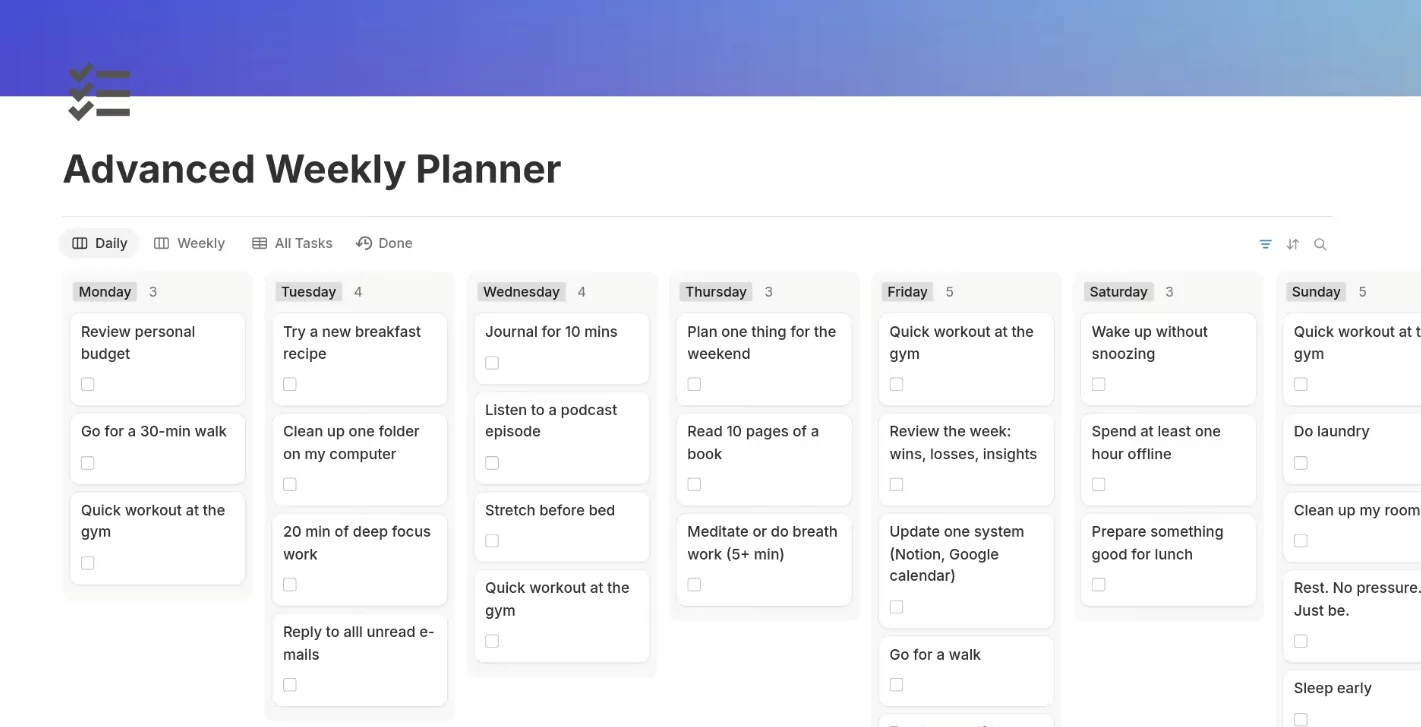
A weekly planner is a planning tool that focuses on one week at a time.
It usually shows all seven days on a spread and gives you more space to write tasks, appointments, and notes for each day.
Typical features of a weekly planner include:
- Dedicated space for each day of the week
- Room for to-do lists and priorities
- Sections for weekly goals or reflections
- Optional habit trackers or notes pages
Weekly planners are ideal for people who want to see what needs to be done day by day and
prefer a more detailed, task-focused view of their schedule.
What Is a Calendar?
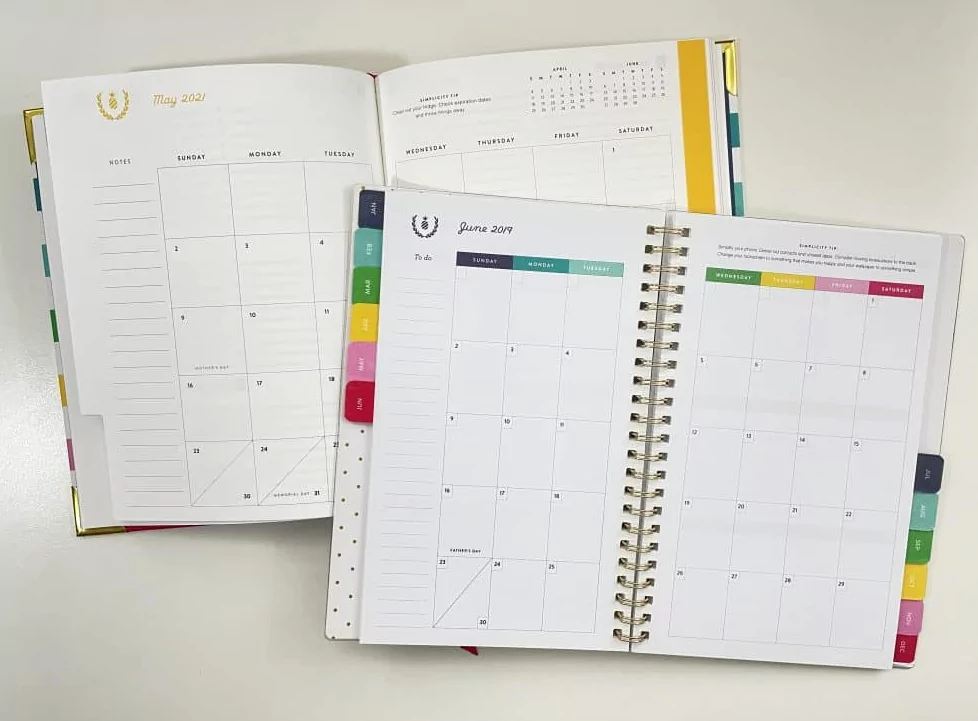
A calendar is a broader time-management tool that usually shows a full month or year at a glance.
It’s designed to help you remember important dates, deadlines, events, and holidays.
Common types of calendars include:
- Wall calendars
- Desk calendars
- Planner-style monthly calendars
- Digital calendars (Google Calendar, Outlook, Apple Calendar, etc.)
A calendar gives you a big-picture overview of your schedule so you can see how busy your weeks and months are,
where your deadlines fall, and how much time you have between events.
Weekly Planner vs Calendar: Key Differences
Although both tools help you manage time, a weekly planner and a calendar serve slightly different purposes.
Understanding these differences helps you choose the right tool for each situation.
| Aspect | Weekly Planner | Calendar |
|---|---|---|
| Primary Focus | Details of the current week | Overview of months and year |
| Level of Detail | High – tasks, notes, priorities, habits | Low – events, deadlines, reminders |
| Best For | Daily execution and productivity | Long-term planning and scheduling |
| Typical Use | Planning what to do today and this week | Tracking important dates and time blocks |
| Time Horizon | Short-term (one week at a time) | Short-, medium-, and long-term (weeks to months) |
When to Use a Weekly Planner
You’ll benefit most from a weekly planner when you need to break your time into actionable daily tasks.
Here are some situations where a weekly planner shines.
1. You Have Many Daily Tasks
If your days are packed with to-dos, a weekly planner gives you the structure you need to stay on top of everything.
You can list tasks, assign them to specific days, and check them off as you go.
Examples:
- Students juggling classes, assignments, and study sessions
- Professionals balancing meetings, projects, and follow-ups
- Parents managing family schedules, chores, and errands
2. You Want to Improve Productivity and Focus
A weekly planner is perfect for setting daily priorities so you don’t feel overwhelmed.
Instead of carrying everything in your head, you put it on paper (or on screen) and focus on the top three to five tasks per day.
With a weekly planner, you can:
- Highlight your most important tasks (MITs) each day
- Track habits like exercise, reading, or journaling
- Review your wins and challenges at the end of the week
3. You’re Working Toward Short-Term Goals
Weekly planners help you “map out” short-term goals over several days. Whether you’re studying for an exam, launching a product, or planning an event, you can break the goal into smaller steps and distribute them throughout the week.
For example:
- Preparing a presentation over 5–7 days instead of rushing the night before
- Training for a race with scheduled workouts each week
- Organizing a move by spreading tasks across several days
When to Use a Calendar
A calendar is most useful when you need to see how your time is distributed over weeks and months or when you coordinate with other people.
1. You Need a Big-Picture View
Calendars give you a clear view of what’s happening this month, next month, and beyond. This makes it easier to avoid overbooking yourself and to plan ahead.
You might use a calendar to:
- Mark deadlines for projects or assignments
- Track appointments, trips, and events
- See busy periods vs. lighter weeks at a glance
2. You Schedule Events With Others
If you’re working with a team, meeting clients, or managing family activities, a calendar is essential.
Digital calendars are especially helpful because you can send invites, see availability, and get reminders.
Great uses for a calendar include:
- Team meetings and check-ins
- Client calls or consultations
- Family events, school activities, and appointments
3. You’re Planning Long-Term Projects
For projects that stretch over months, a calendar lets you set milestones and deadlines.
You can then work backwards to decide when to start each phase.
Examples:
- Creating a 3-month content calendar for blog posts or social media
- Planning a product launch with key dates for testing, marketing, and release
- Mapping out an academic semester with exam dates and major assignments
Should You Use Both a Weekly Planner and a Calendar?
You don’t actually have to choose between a weekly planner vs calendar.
In many cases, the best solution is to use both together.
A simple system might look like this:
- Use a calendar to mark:
- Deadlines and due dates
- Appointments and events
- Holidays and days off
- Use a weekly planner to:
- Break down each deadline into smaller tasks
- Decide what to work on each day
- Track habits, priorities, and progress
In other words, your calendar tells you when things happen, while your weekly planner helps you decide
what to do today so you’re ready when those dates arrive.
Tips for Choosing the Right Planning Tool
Whether you prefer a weekly planner, a calendar, or both, here are some tips to help you pick the best format for your lifestyle.
1. Decide Between Digital and Paper
- Digital tools are great if you need reminders, notifications, and easy sharing.
- Paper tools are ideal if you think better by writing things down and want fewer distractions.
Many people use a hybrid system: a digital calendar for events and a paper weekly planner for daily focus and reflection.
2. Check the Layout
Look for a layout that matches how your brain works. For weekly planners, check how much space each day gets and whether there are sections for notes and goals. For calendars, see if the monthly view feels clear and easy to read.
3. Keep It Simple
The best planning system is the one you actually use. Instead of chasing the “perfect” planner or calendar,
choose something simple and start building the habit of planning your week and reviewing your schedule regularly.
Frequently Asked Questions
Is a weekly planner better than a calendar?
Neither is universally better. A weekly planner is better for daily productivity and task management,
while a calendar is better for long-term planning and tracking important dates.
Most people get the best results by combining both.
Can I use only a calendar for planning?
Yes, you can use only a calendar, especially if your schedule is event-based and not too task-heavy.
However, if you have many small tasks each day, you may find it easier to stay organized with a weekly planner alongside your calendar.
Should I keep my weekly planner and calendar separate?
You can, but it’s important that they work together. For example, you can check your calendar each week and then copy key events and deadlines into your weekly planner. The goal is to have one trusted weekly view that keeps you on track.
What’s the best way to start using a weekly planner?
Start small. At the beginning of each week, write down your main goals, list your tasks by day, and choose your top priorities.
Review your planner briefly every morning and evening to stay aligned and adjust as needed.
Is a weekly planner better than a calendar?
Neither one is universally better. A weekly planner works best for daily productivity and task management, while a calendar is ideal for long-term planning and tracking important dates. Many people get the best results by combining both tools in their planning system.
Can I use only a calendar for planning?
Yes, you can rely only on a calendar, especially if your schedule is mostly event-based and not filled with many small daily tasks. However, if you handle a lot of to-dos every day, using a weekly planner alongside your calendar can make it easier to stay organized and focused.
Should I keep my weekly planner and calendar separate?
You can keep them separate, but they should work together. A simple method is to review your calendar each week, then copy important events, deadlines, and time blocks into your weekly planner. This way, you have one trusted weekly view to guide your daily actions.
What’s the best way to start using a weekly planner?
Start by planning one week at a time. At the beginning of the week, write down your main goals, assign tasks to specific days, and choose your top priorities. Check your weekly planner briefly every morning and evening so you can adjust your plan and stay aligned with your goals.

