Chinese New Year 2026: Zodiac, Dates, and Traditions
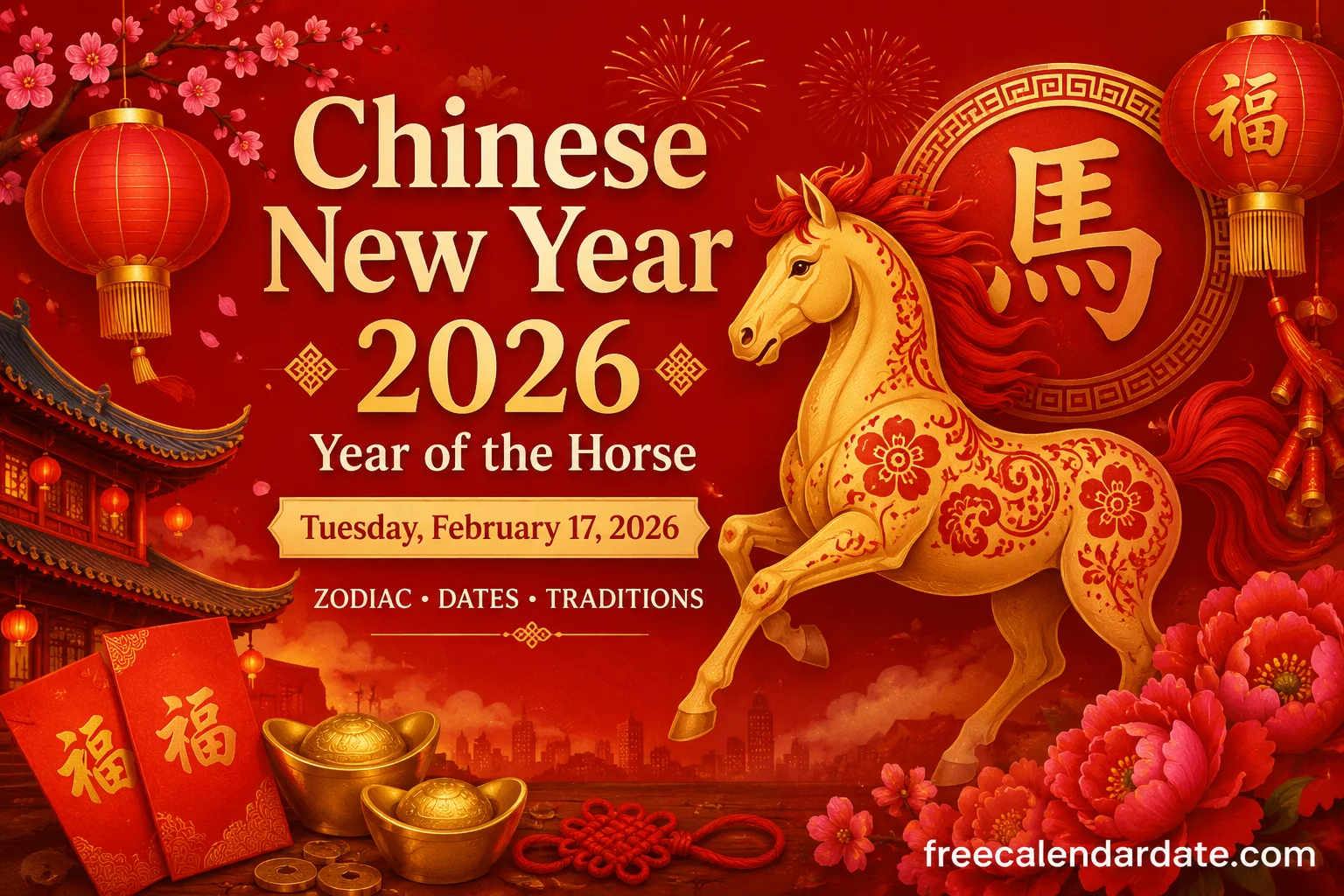
Chinese New Year is one of the most important and widely celebrated festivals in the world. Known as the Spring Festival, it marks the beginning of a new year according to the traditional Chinese lunar calendar. Every year, millions of people across China and in Chinese communities worldwide gather with family, honor their ancestors, enjoy festive meals, and participate in cultural traditions that have been passed down for centuries.
As excitement builds for Chinese New Year 2026, many people are curious about the official date, the zodiac animal of the year, and the customs associated with this beloved holiday. Whether you’re planning to celebrate, learn more about Chinese culture, or simply understand the significance of the event, this guide covers everything you need to know about Chinese New Year 2026.
When Is Chinese New Year 2026?
Chinese New Year 2026 falls on Tuesday, February 17, 2026. Unlike January 1 on the Gregorian calendar, the date of Chinese New Year changes each year because it follows the lunar calendar.
The celebration traditionally lasts for 15 days, beginning on New Year’s Day and ending with the Lantern Festival. During this period, families reunite, businesses close for holidays, and communities host colorful celebrations filled with traditional performances and cultural events.
For many people, the festivities actually begin weeks before the official date, as families prepare their homes, purchase gifts, and travel long distances to spend time with loved ones.
Chinese Zodiac Animal for 2026
One of the most anticipated aspects of Chinese New Year is the arrival of a new zodiac animal. The Chinese zodiac follows a 12-year cycle, with each year represented by a specific animal.
2026 is the Year of the Horse.
The Horse is the seventh animal in the Chinese zodiac cycle and is associated with qualities such as:
- Energy and enthusiasm
- Independence
- Confidence
- Determination
- Adventure
- Intelligence
People born in Horse years are often described as energetic, sociable, and ambitious. They enjoy freedom, thrive in dynamic environments, and are known for their ability to inspire others.
Previous Horse years include:
- 1966
- 1978
- 1990
- 2002
- 2014
- 2026
Those born in these years are believed to share many of the traditional personality traits associated with the Horse sign.
The Meaning of the Year of the Horse
In Chinese culture, the Horse symbolizes speed, strength, and perseverance. Historically, horses played a crucial role in transportation, trade, and military success, making them highly respected animals.
The Year of the Horse is often viewed as a time of action and progress. Many people believe it is a favorable period for:
- Starting new projects
- Pursuing career goals
- Traveling
- Expanding businesses
- Taking calculated risks
While zodiac predictions vary, the Horse is generally associated with momentum and forward movement, encouraging people to embrace opportunities and pursue their ambitions.
Traditional Preparations Before Chinese New Year
Preparation is a major part of the Chinese New Year experience. Families often begin planning weeks in advance to ensure a prosperous start to the new year.
House Cleaning
One of the most common traditions is thoroughly cleaning the home before New Year’s Day. This practice symbolizes sweeping away bad luck and misfortune from the previous year.
However, many people avoid cleaning during the first days of the new year because it is believed that doing so could sweep away newly arrived good fortune.
Decorating the Home
Red decorations appear everywhere during Chinese New Year. Red is considered a lucky color that symbolizes happiness, prosperity, and protection from evil spirits.
Popular decorations include:
- Red lanterns
- Paper cuttings
- Spring couplets
- Lucky character banners
- Zodiac-themed ornaments
Homes, businesses, and public spaces are often transformed into vibrant displays of red and gold.
Shopping for the New Year
Families purchase:
- New clothing
- Gifts
- Traditional foods
- Decorative items
- Red envelopes
Buying new items symbolizes a fresh beginning and optimism for the coming year.
The Importance of Family Reunion Dinner
Perhaps the most significant event of Chinese New Year is the reunion dinner held on New Year’s Eve.
Family members travel from near and far to gather around the table and share a special meal. For many people, it is the most important family gathering of the year.
Traditional dishes often include:
Dumplings
Dumplings resemble ancient Chinese gold ingots and symbolize wealth and prosperity.
Fish
Fish represents abundance and surplus because the Chinese word for fish sounds similar to the word for surplus.
Noodles
Long noodles symbolize longevity and a long, healthy life.
Rice Cakes
Rice cakes are associated with growth, success, and progress in the coming year.
The reunion dinner emphasizes family unity, gratitude, and hope for a prosperous future.
Red Envelopes and Lucky Money
One of the most beloved traditions is the giving of red envelopes, known as hongbao.
These envelopes contain money and are traditionally given by married adults to children and younger family members. Today, they are also exchanged among friends, relatives, and colleagues.
Red envelopes symbolize:
- Good fortune
- Prosperity
- Blessings
- Success
The amount of money inside often carries symbolic meaning, with certain numbers considered especially lucky.
Chinese New Year Celebrations Around the World
Although Chinese New Year originated in China, it is celebrated globally.
Major celebrations take place in:
- China
- Singapore
- Malaysia
- Taiwan
- Hong Kong
- Indonesia
- Thailand
- Vietnam
- United States
- Canada
- Australia
- United Kingdom
Cities with large Chinese communities often host:
- Dragon dances
- Lion dances
- Fireworks displays
- Cultural performances
- Food festivals
- Lantern exhibitions
These events attract millions of visitors every year and showcase the rich heritage of Chinese culture.
The Lantern Festival
Chinese New Year celebrations conclude with the Lantern Festival on the fifteenth day of the lunar new year.
During this festival, people:
- Display colorful lanterns
- Solve lantern riddles
- Watch cultural performances
- Enjoy traditional foods
One popular food eaten during the Lantern Festival is tangyuan, sweet rice balls that symbolize family togetherness and harmony.
The festival marks the end of the New Year celebration period and welcomes the year ahead.
Chinese New Year 2026 Travel Tips
If you’re planning to visit China during Chinese New Year 2026, preparation is essential.
The holiday period creates the world’s largest annual human migration as millions of people travel to visit family.
Helpful travel tips include:
- Book flights and hotels early
- Expect crowded transportation hubs
- Confirm business operating hours
- Plan around public holiday closures
- Reserve popular attractions in advance
While travel can be challenging, experiencing Chinese New Year firsthand is often considered unforgettable.
Final Thoughts
Chinese New Year 2026 promises to be an exciting celebration as the world welcomes the energetic and optimistic Year of the Horse. From family reunions and traditional feasts to colorful festivals and cultural performances, the holiday offers a unique opportunity to experience centuries-old customs that continue to thrive today.
Whether you’re celebrating with family, exploring Chinese traditions, or simply learning about the festival, understanding the zodiac, dates, and customs behind Chinese New Year helps deepen appreciation for one of the world’s most cherished cultural celebrations.
As February 17, 2026 approaches, millions of people around the globe will come together to welcome a new year filled with hope, prosperity, happiness, and new opportunities.

