Lunar vs Solar Calendars: Key Differences with Examples
Understanding the difference between lunar calendars and solar calendars reveals why different cultures celebrate holidays on different dates each year. While solar calendars align with the Earth’s orbit around the Sun (365.25 days), lunar calendars follow the Moon’s phases (29.53 days per cycle). This fundamental difference creates unique challenges and traditions across civilizations.
Most modern societies use the Gregorian solar calendar, but lunar and lunisolar systems remain vital for religious observances, agricultural planning, and cultural festivals worldwide. This comprehensive guide explores the mechanics, history, examples, and practical implications of both systems.
What is a Solar Calendar?
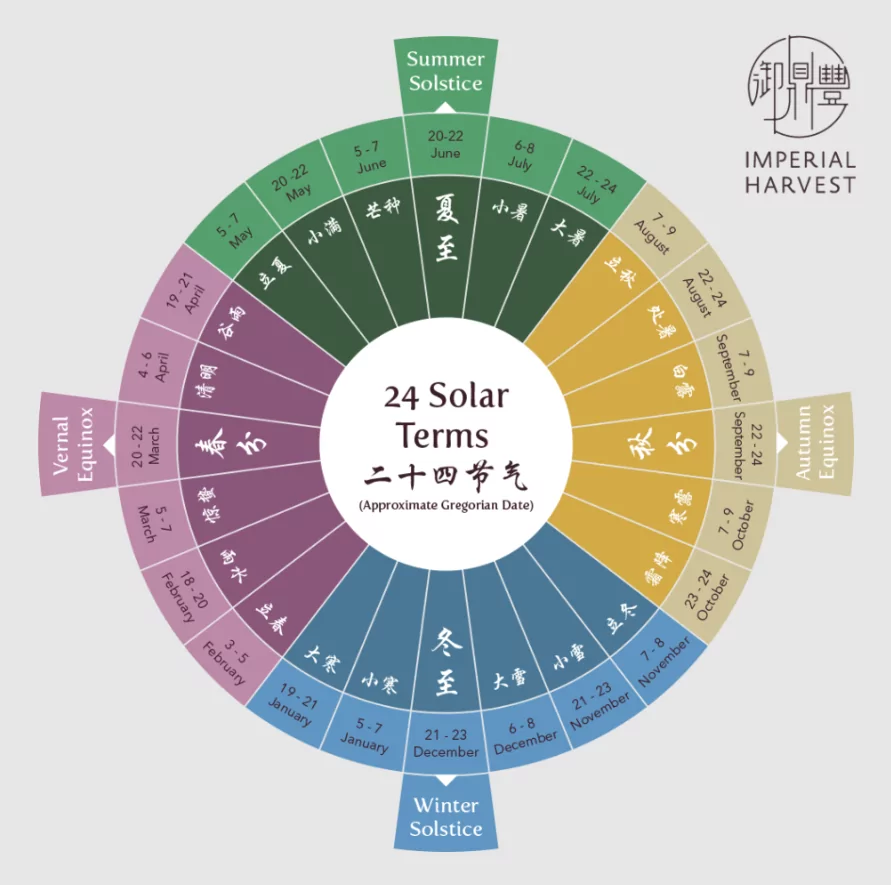
Solar calendars track the Earth’s yearly journey around the Sun, maintaining consistent alignment with seasons and solar events like solstices and equinoxes. The most widely used solar calendar today is the Gregorian calendar, introduced in 1582 by Pope Gregory XIII to correct inaccuracies in the earlier Julian calendar.
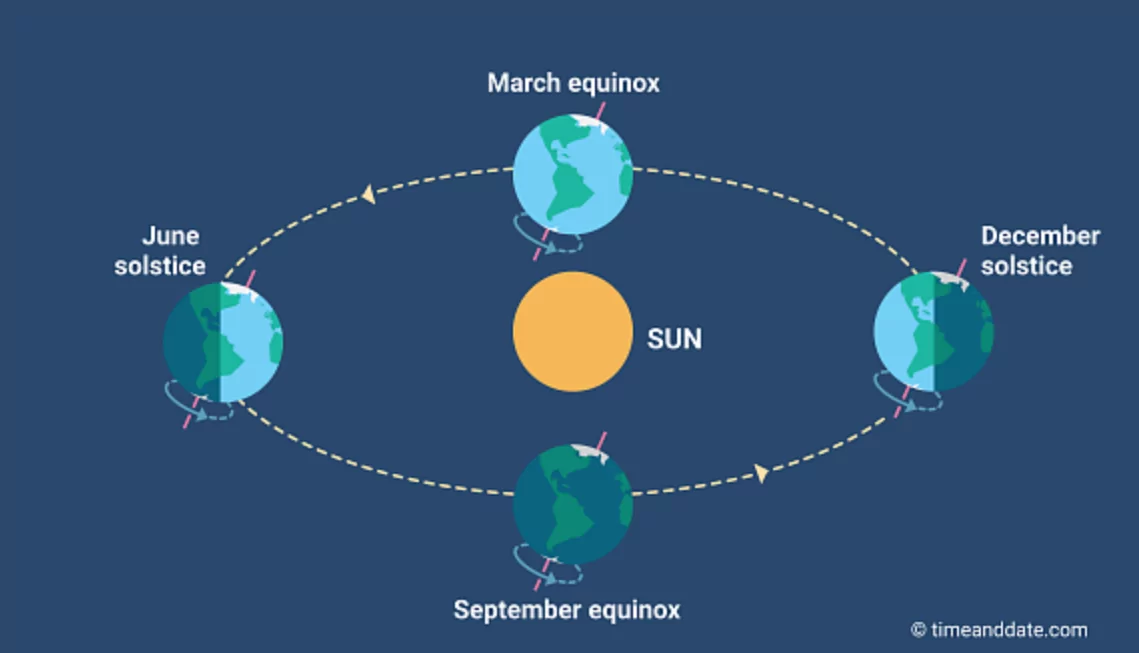
Key characteristics of solar calendars:
- Year length: Approximately 365.2425 days (tropical year)
- Months: 12 fixed months averaging 30.44 days
- Leap years: Added every 4 years (with century exceptions) to account for the extra 0.2425 days
- Season alignment: Spring always falls around March 21st in the Northern Hemisphere
The precision of solar calendars makes them ideal for agriculture, business, and international coordination. Farmers plant and harvest according to predictable seasonal patterns, while governments schedule elections and fiscal years consistently.
What is a Lunar Calendar?
Lunar calendars are based on the Moon’s 29.53-day synodic cycle from new moon to new moon. Each month begins with a new moon sighting, creating months of either 29 or 30 days. Pure lunar calendars drift approximately 11 days earlier each solar year relative to seasons.
Key characteristics of lunar calendars:
- Month length: 29.53 days average (29 or 30-day months)
- Year length: 354-355 days (12 lunar months)
- No fixed relationship to seasons (drifts 11 days/year)
- Month start: Traditionally determined by moon sighting
The Islamic (Hijri) calendar is the prime example of a pure lunar calendar. Ramadan, the month of fasting, moves backward through the seasons, occurring in summer one decade and winter the next.
Lunisolar Calendars: The Hybrid Solution
Lunisolar calendars combine both systems by using lunar months while adding an extra month (intercalary month) approximately every 2-3 years to realign with the solar year. This maintains both lunar phases for religious observances and seasonal alignment for agriculture.
The two major lunisolar calendars are:
- Hebrew Calendar: 12 months (353-355 days) or 13 months (383-385 days) in leap years
- Chinese Calendar: Similar structure with animal zodiac years and complex leap month calculations
These systems require sophisticated astronomical calculations. Modern lunisolar calendars use mathematical formulas rather than physical moon sightings for consistency across global communities.
Key Differences: Lunar vs Solar Calendars Compared
| Feature | Solar Calendar | Lunar Calendar | Lunisolar Calendar |
|---|---|---|---|
| Year Length | 365.2425 days | 354-355 days | 353-385 days |
| Month Basis | Arbitrary division | New Moon to New Moon | New Moon to New Moon |
| Season Alignment | Fixed | Drifts 11 days/year | Maintained with leap months |
| Leap Adjustment | Leap day every 4 years | No leap adjustment | Leap month every 2-3 years |
| Modern Examples | Gregorian, Julian | Islamic (Hijri) | Hebrew, Chinese, Hindu |
Real-World Examples of Each Calendar System
Gregorian Solar Calendar (Western Standard)
Introduced in 1582, this calendar corrected the Julian calendar’s 11-minute annual error. February 29th leap days maintain seasonal alignment. Christmas always falls December 25th regardless of lunar phases or seasons.
Islamic Hijri Lunar Calendar
Based on Prophet Muhammad’s migration (Hijra) from Mecca to Medina in 622 CE. Currently in year 1446 AH (Anno Hegirae). Key dates:
- Ramadan: 9th month, moves through all seasons
- Eid al-Fitr: End of Ramadan fasting
- Hajj pilgrimage: 12th month
Hebrew Lunisolar Calendar
Combines 12 lunar months with a leap month (Adar II) 7 times in 19 years. Rosh Hashanah (Jewish New Year) always falls in autumn. Passover begins on 15 Nisan, maintaining spring agricultural timing despite lunar months.
Chinese Lunisolar Calendar
Features 12-year animal zodiac cycle plus lunar months. Chinese New Year date varies between January 21st and February 20th each year. Leap months inserted as needed. The 2025 Year of the Snake begins January 29th.
Historical Development and Cultural Significance
Ancient Origins: Early agricultural societies needed solar calendars for planting seasons. Babylonians developed lunisolar systems around 2000 BCE. Romans refined solar calendars with Julius Caesar’s Julian reform in 46 BCE.
Religious Importance: Lunar calendars preserve moon worship traditions and create moving religious observances. Solar calendars standardized civil administration across empires.
Modern Coexistence: Many countries use Gregorian calendars for business while maintaining traditional calendars for holidays. Israel uses Hebrew calendar dates alongside Gregorian. Muslim countries display both Hijri and Gregorian dates officially.
Practical Challenges and Conversion Methods
Date Conversion Tools
Online converters handle complex lunisolar calculations:
- Fourmilab Swiss Ephemeris (scientific precision)
- Hebcal (Hebrew calendar specialist)
- IslamicFinder (Hijri conversions)
- TimeAndDate.com universal converter
Business and Travel Implications
International teams must account for different New Years, holidays, and work weeks. Saudi Arabia uses Umm al-Qura calendar (lunar-based) alongside Gregorian. Chinese businesses close for Lunar New Year regardless of Gregorian date.
Programming Considerations
Modern applications use libraries like:
- JavaScript: moment-hijri, Intl.DateTimeFormat
- Python: hijri-converter, convedit
- Java: ICU4J for Unicode calendar support
Pros and Cons of Each System
Solar Calendar Advantages
- Predictable seasons for agriculture
- Stable business planning
- Global standardization
- Simple leap year rules
Lunar Calendar Advantages
- Aligns with natural lunar cycles
- Religious significance of moon phases
- Shorter, more frequent months
- Nighttime observances easier to track
Challenges of Each System
Solar: Arbitrary month lengths ignore lunar reality. Lunar: Seasonal drift disrupts agriculture. Lunisolar: Complex calculations require expertise.
Future of Calendar Systems
While Gregorian dominates civil use, traditional calendars persist for cultural identity. World Calendar proposals seek rational 364-day years with stable quarters. Digital tools increasingly handle multiple calendar displays seamlessly.
Blockchain and smart contracts may automate lunisolar holiday calculations for global DeFi applications. Astronomical software achieves sub-second accuracy for ancient calendar reconstructions.
Frequently Asked Questions
Why do Muslim holidays move backward through the year?
The Islamic lunar calendar has 354 days versus 365 solar days, so it completes a full seasonal cycle every 33 years. Ramadan occurs in winter, then gradually moves to summer over decades.
Which calendar is more accurate astronomically?
The Gregorian solar calendar maintains better long-term seasonal accuracy (error of 1 day every 3300 years). Pure lunar calendars intentionally drift from solar years for religious purity.
Why do Chinese New Year dates vary so much?
As a lunisolar calendar, Chinese New Year follows the second new moon after winter solstice. This causes variation between January 21st and February 20th on the Gregorian calendar.
Can I use multiple calendars simultaneously?
Yes—modern apps and websites display Gregorian, lunar, and lunisolar dates together. Businesses serving multicultural markets often show dual calendars for holidays and planning.
Will we ever switch to a universal calendar?
Unlikely due to religious and cultural entrenchment. Digital tools make multi-calendar navigation seamless, reducing need for single global standard beyond civil Gregorian use.
Conclusion
Lunar and solar calendars represent humanity’s dual relationship with celestial bodies—Sun for seasons and survival, Moon for timekeeping and spirituality. Understanding their differences explains global holiday patterns, agricultural cycles, and religious observances.
Modern technology bridges these systems through instant conversion tools and multi-calendar displays. Whether planning Ramadan fasting, Passover seders, or Lunar New Year celebrations, appreciating each calendar’s logic enhances cross-cultural understanding and coordination.
FREQUENTLY ASKED QUESTIONS: LUNAR VS SOLAR CALENDARS
Different calendars preserve religious traditions, agricultural knowledge, and cultural identity. Lunar calendars maintain moon worship connections; lunisolar systems balance both lunar sanctity and solar practicality.
They follow Metonic cycles (19 solar years = 235 lunar months). Leap months insert 7 times in 19 years using complex astronomical tables ensuring Passover stays in spring despite lunar months.
Both originated ~5000 years ago. Lunar calendars from Mesopotamia tracked moon for early agriculture; Egyptian solar calendar (365 days) aligned Nile floods precisely. Lunisolar systems evolved later as compromises.
Pure lunar calendars drift from seasons, making them impractical for farming. Lunisolar calendars solve this with leap months. Most agricultural societies historically used solar or lunisolar systems.
Religious purity requires following visible lunar cycles without solar interpolation. The Prophet Muhammad established 354-day years. Seasonal drift is intentional, completing solar cycles every 33 years.

