Ramadan 2026 Calendar: Suhoor, Iftar, Prayer Times Guide
Ramadan 2026 (1447 AH) is expected to begin in mid-February, marking a significant shift toward shorter, cooler fasting days for Muslims in the Northern Hemisphere. Planning your schedule around Suhoor (pre-dawn meal) and Iftar (breaking fast) is essential for maintaining energy and spiritual focus throughout the holy month.
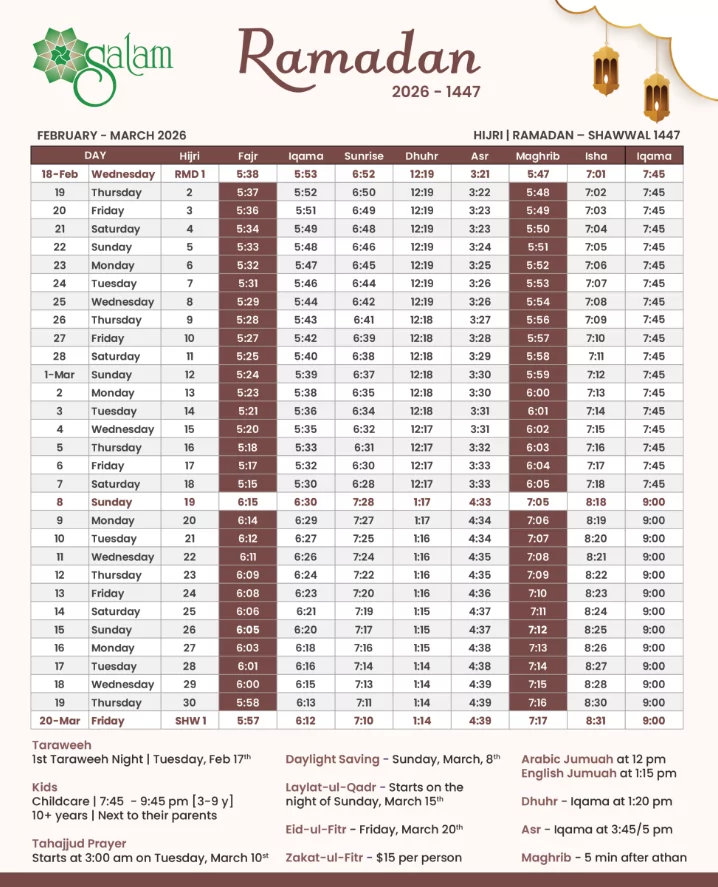
Expected Dates for Ramadan 2026
While the exact start depends on the physical sighting of the new moon, astronomical calculations provide a reliable window for preparation.
- Projected Start Date: Around February 17 or 18, 2026 [web:26][web:28].
- Projected End Date: Around March 18 or 19, 2026.
- Eid al-Fitr: Expected to fall on March 19 or 20, 2026, subject to moon sighting [web:32][web:33].
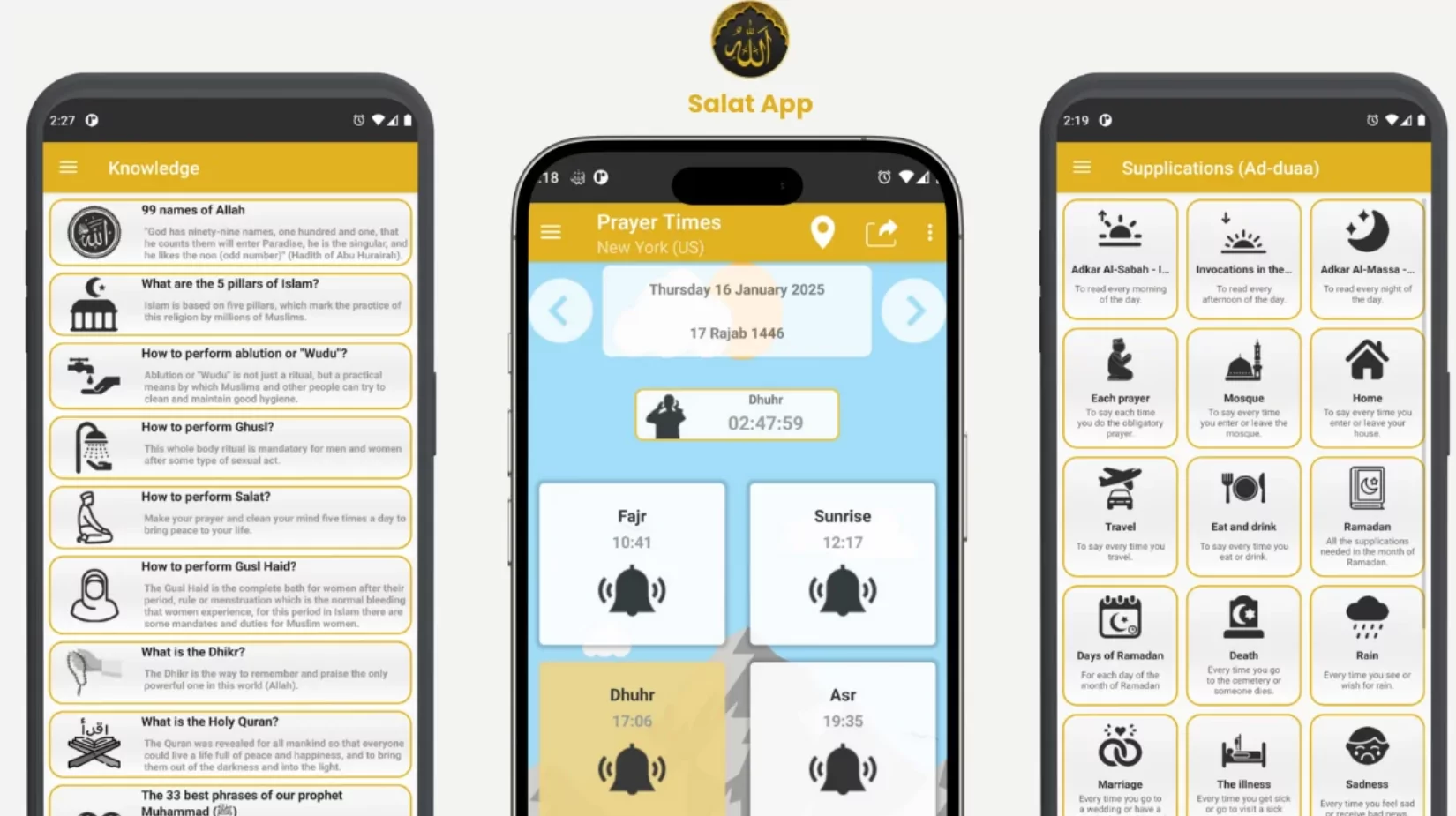
Understanding the Prayer Schedule (Salah Times)
Your daily fasting window is defined by two key prayer times: Fajr (dawn) and Maghrib (sunset).
Suhoor (Sehri) Deadline
Suhoor ends at Subh Sadiq (true dawn), which corresponds to the start of Fajr prayer time. It is recommended to stop eating 10–15 minutes before the exact Fajr time to be safe.
Iftar Time
Iftar begins immediately at Maghrib time (sunset). It is Sunnah to hasten breaking the fast with dates and water as soon as the sun has fully set.
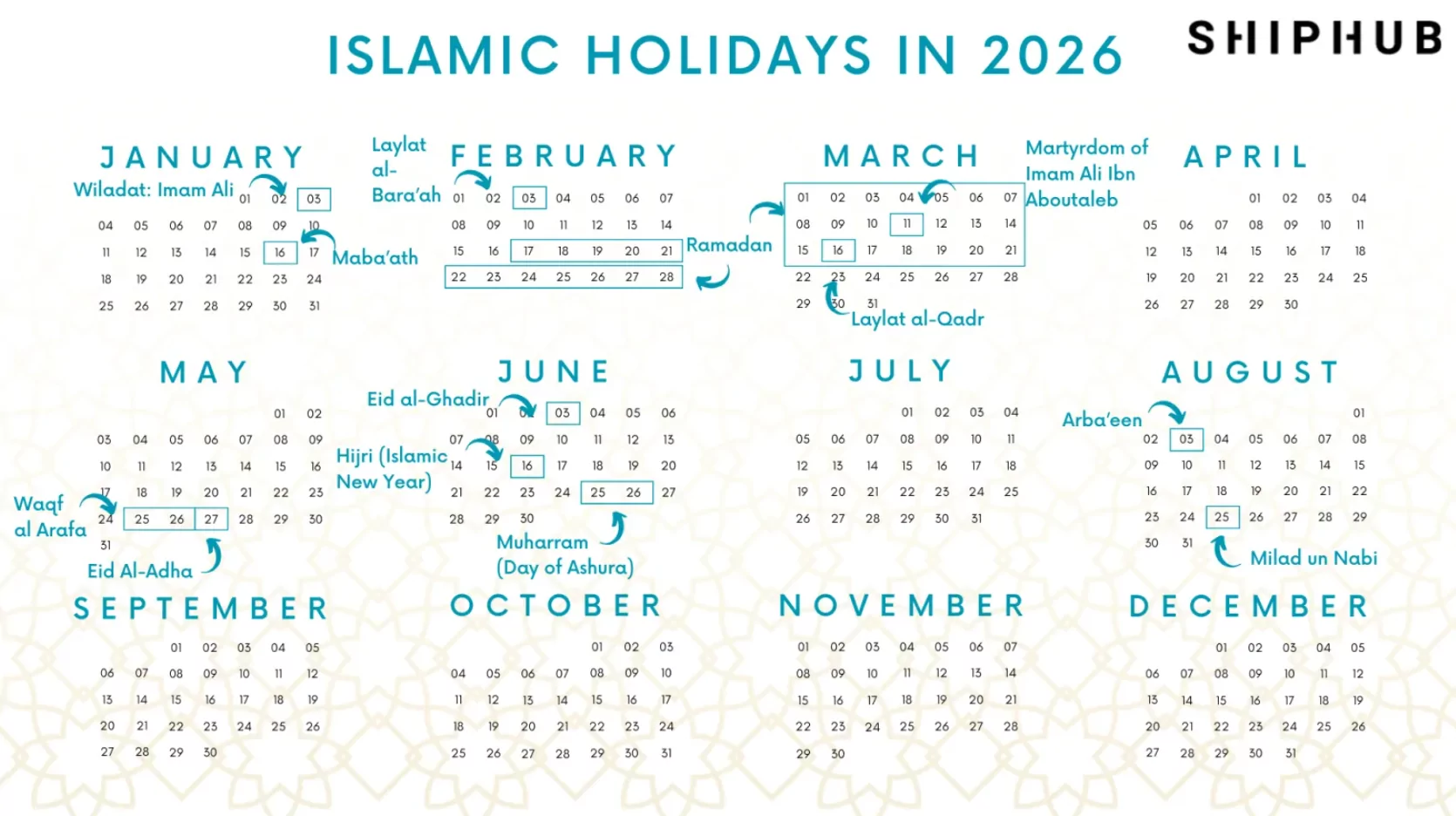
Key Events in Ramadan 2026
Mark these significant nights on your calendar to maximize your worship (Ibadah).
- Last Ten Nights: Expected to begin on the night of March 9 or 10, 2026. These nights are the most sacred, where Muslims increase their night prayers (Qiyam).
- Laylat al-Qadr (Night of Decree): Likely to fall on one of the odd-numbered nights in the last ten days (e.g., 21st, 23rd, 25th, 27th, or 29th night of Ramadan).
Tips for Managing Your Time During Ramadan
Balancing fasting, work, and worship requires a strategic approach to your daily schedule.
- Adjust Your Sleep: Try the “polyphasic” sleep method—sleep for 4-5 hours at night, wake for Suhoor/Fajr, and take a “Qailulah” (mid-day nap) for 20-30 minutes if possible.
- Plan Meals in Advance: Pre-plan your Suhoor and Iftar menus weekly to avoid spending precious fasting hours deciding what to cook. Focus on hydrating foods and complex carbohydrates.
- Block Time for Quran: Dedicate fixed 20-minute blocks after each prayer to ensure you complete your Quran recitation goals without feeling overwhelmed.
Note on Regional Variations
Prayer times vary significantly by location. Always verify the exact Fajr and Maghrib times for your specific city using a local mosque timetable or a trusted prayer app, as differences of even a few minutes affect the validity of the fast [web:27][web:29].

